Memory
2026
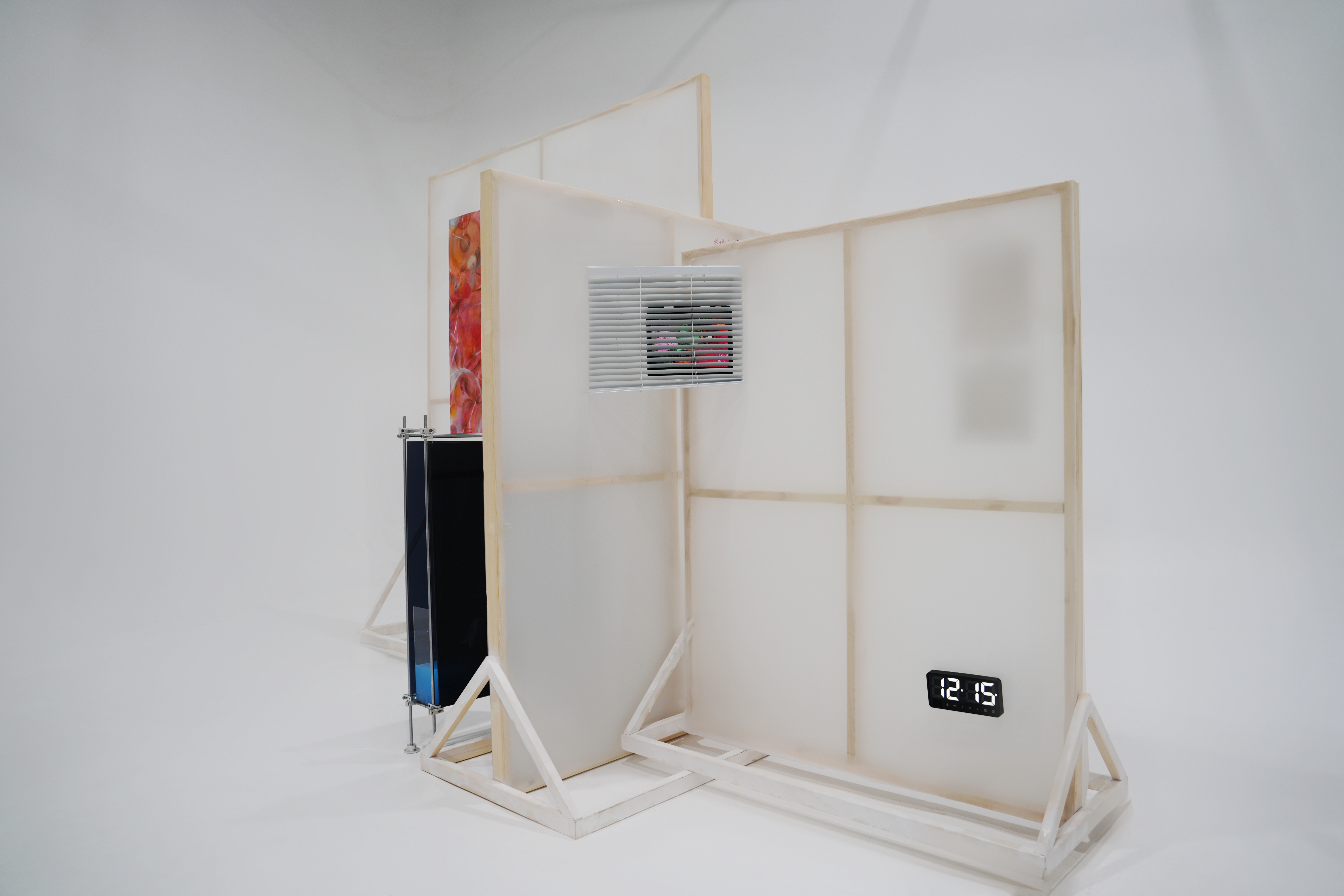
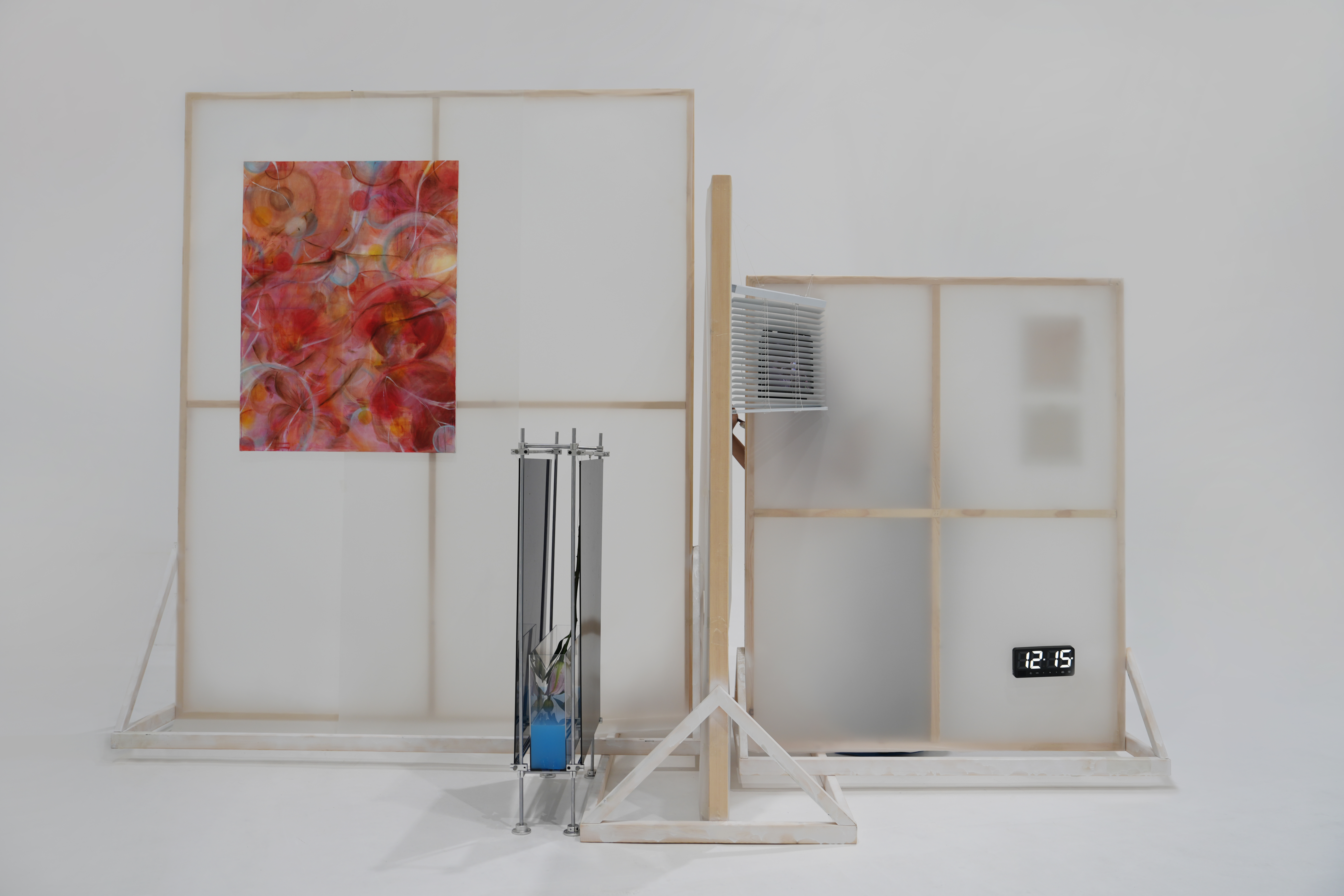
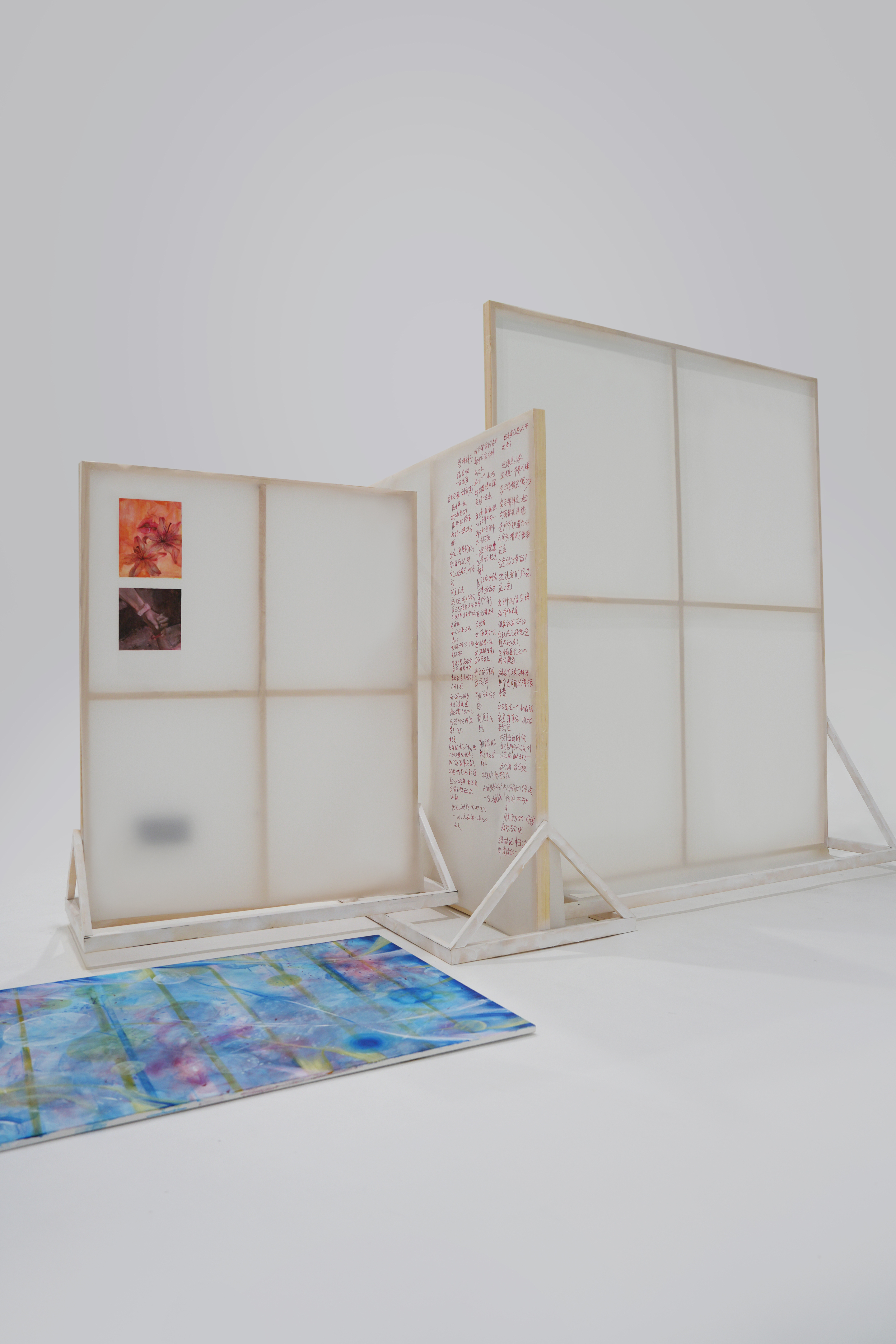
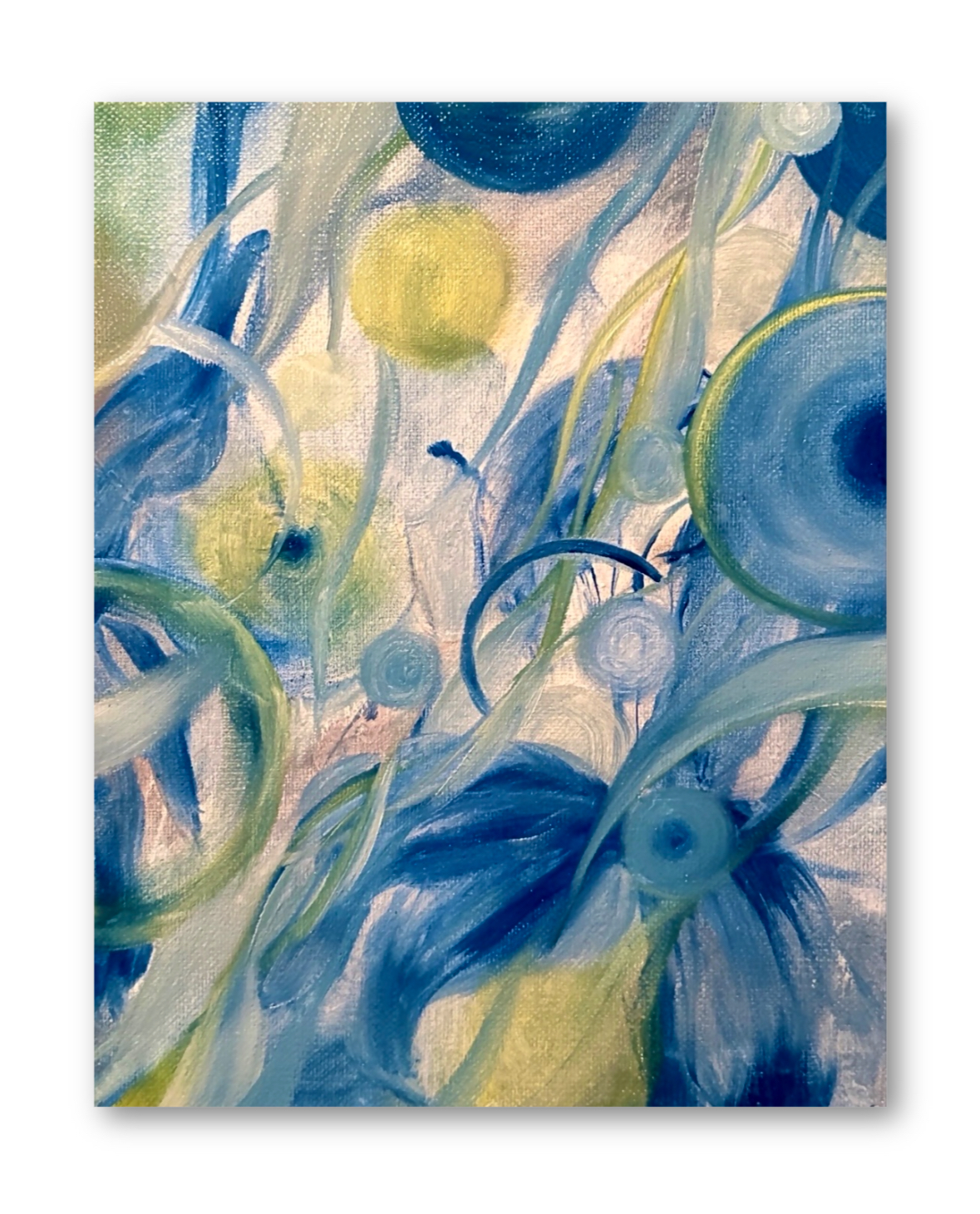
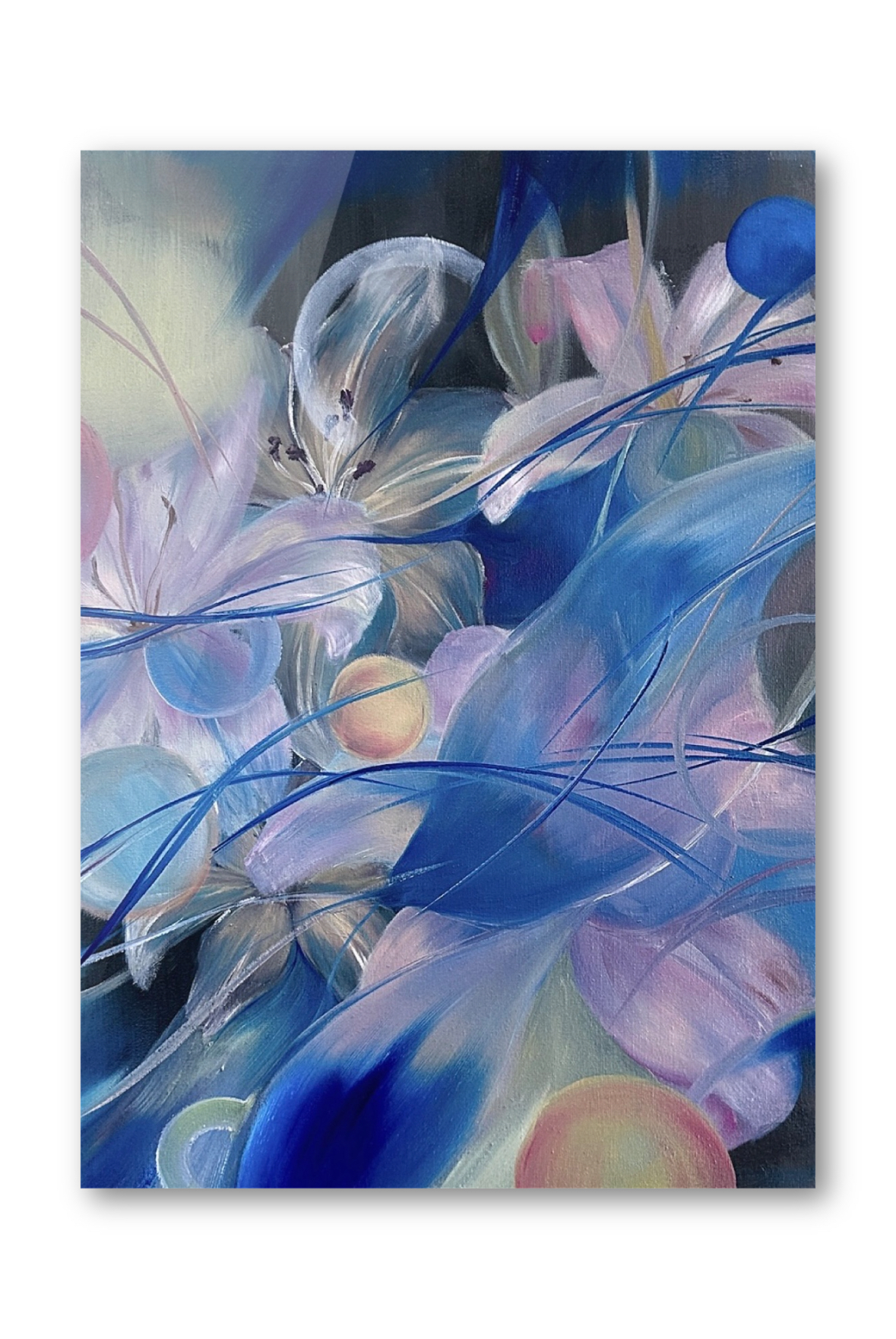
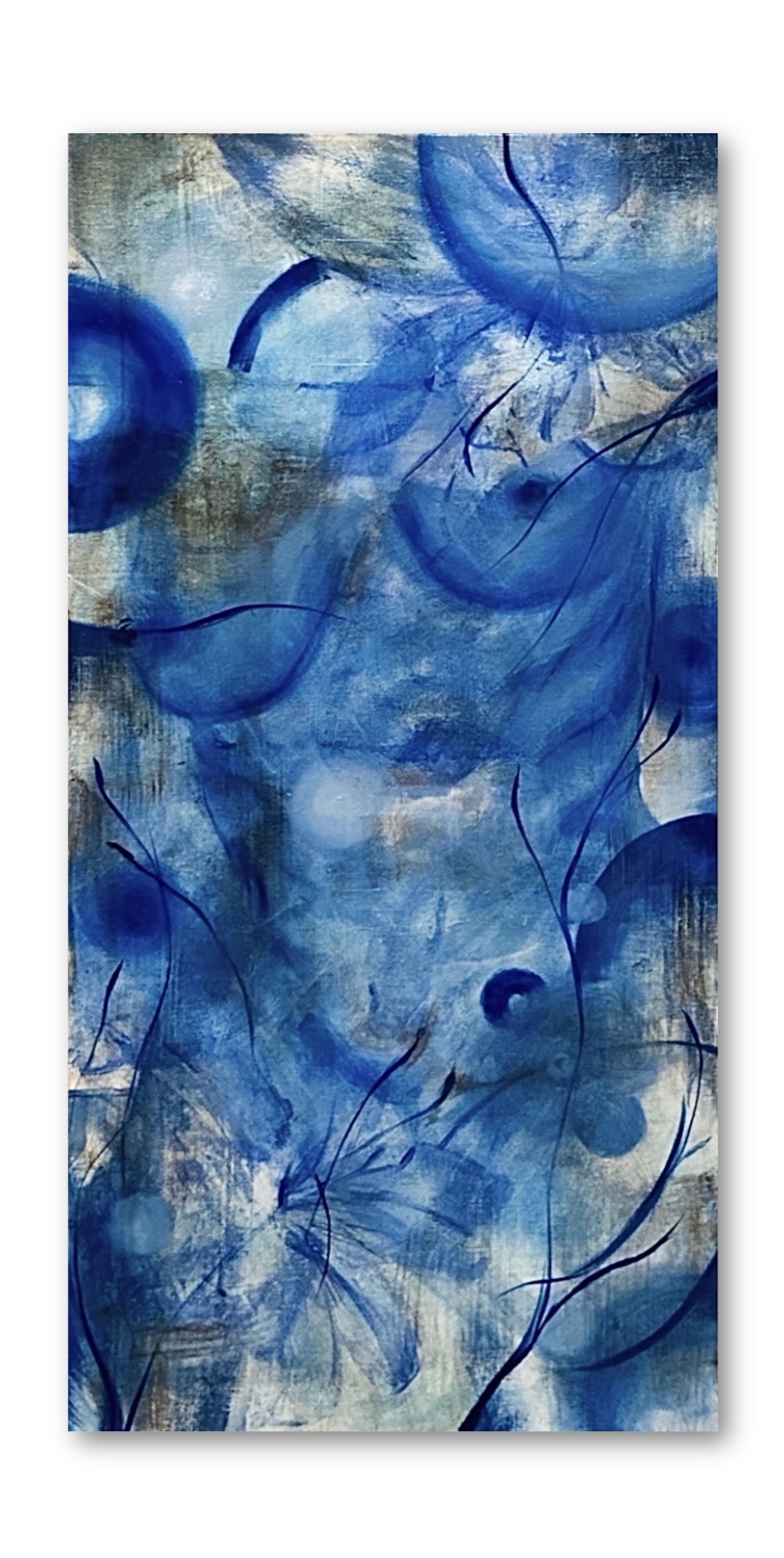
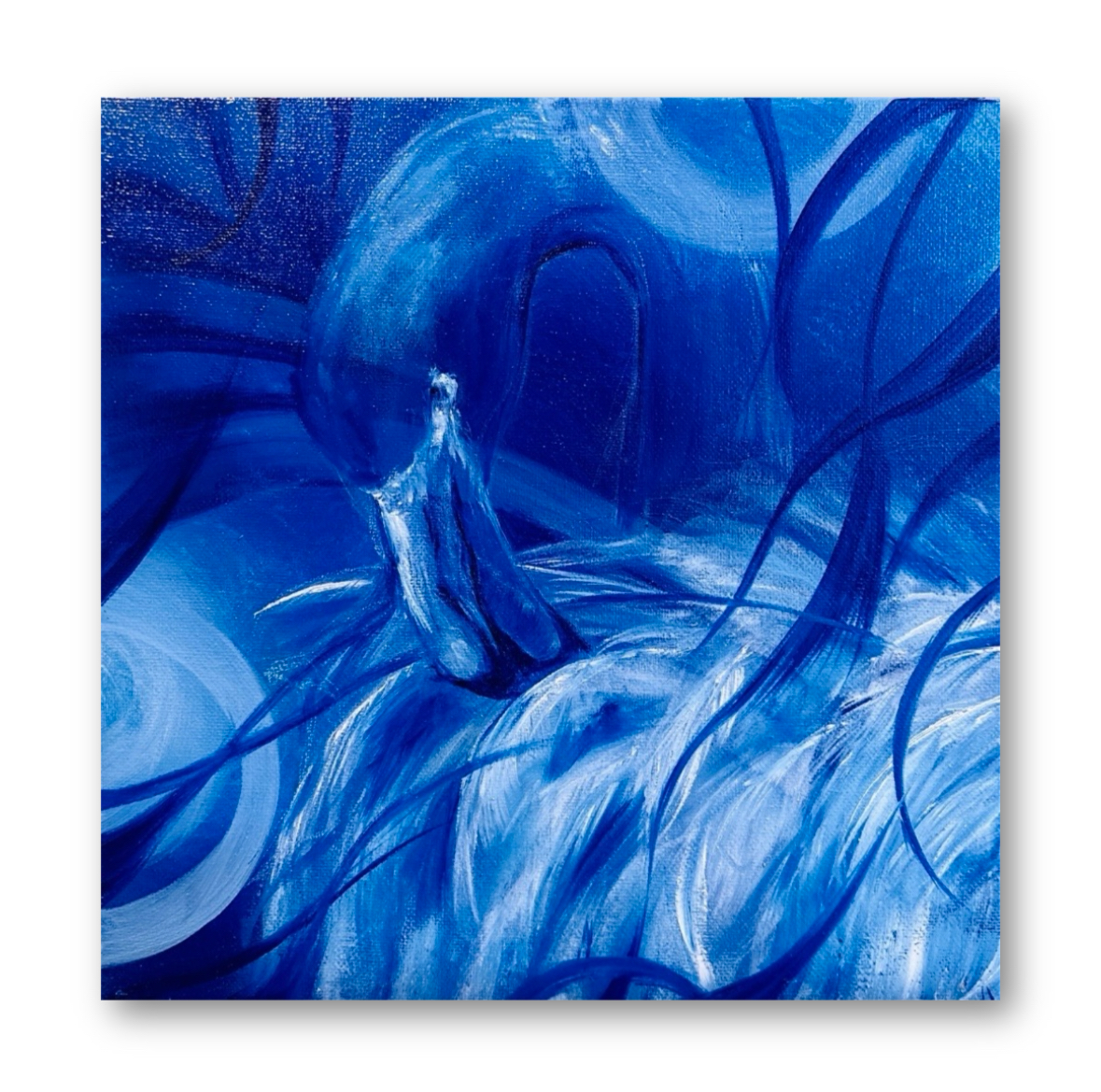
Memory is a work I made between April and July 2026, inspired by my memories of my mother. As time has passed, many of those memories have become blurred, and some details I can no longer recall. But I still remember how those memories made me feel. Through this work, I want to explore how memory is preserved, how it changes, and how it is forgotten.
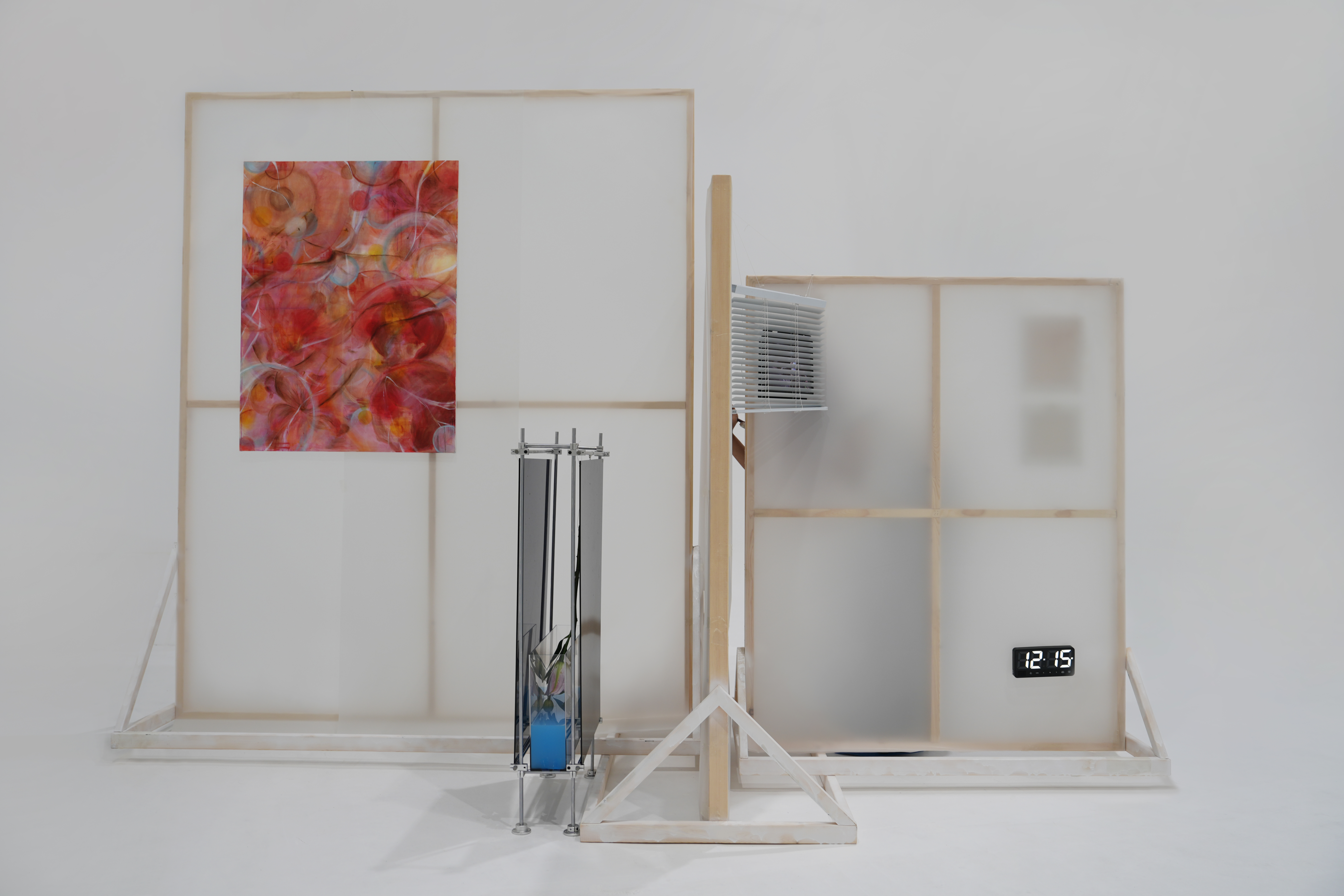
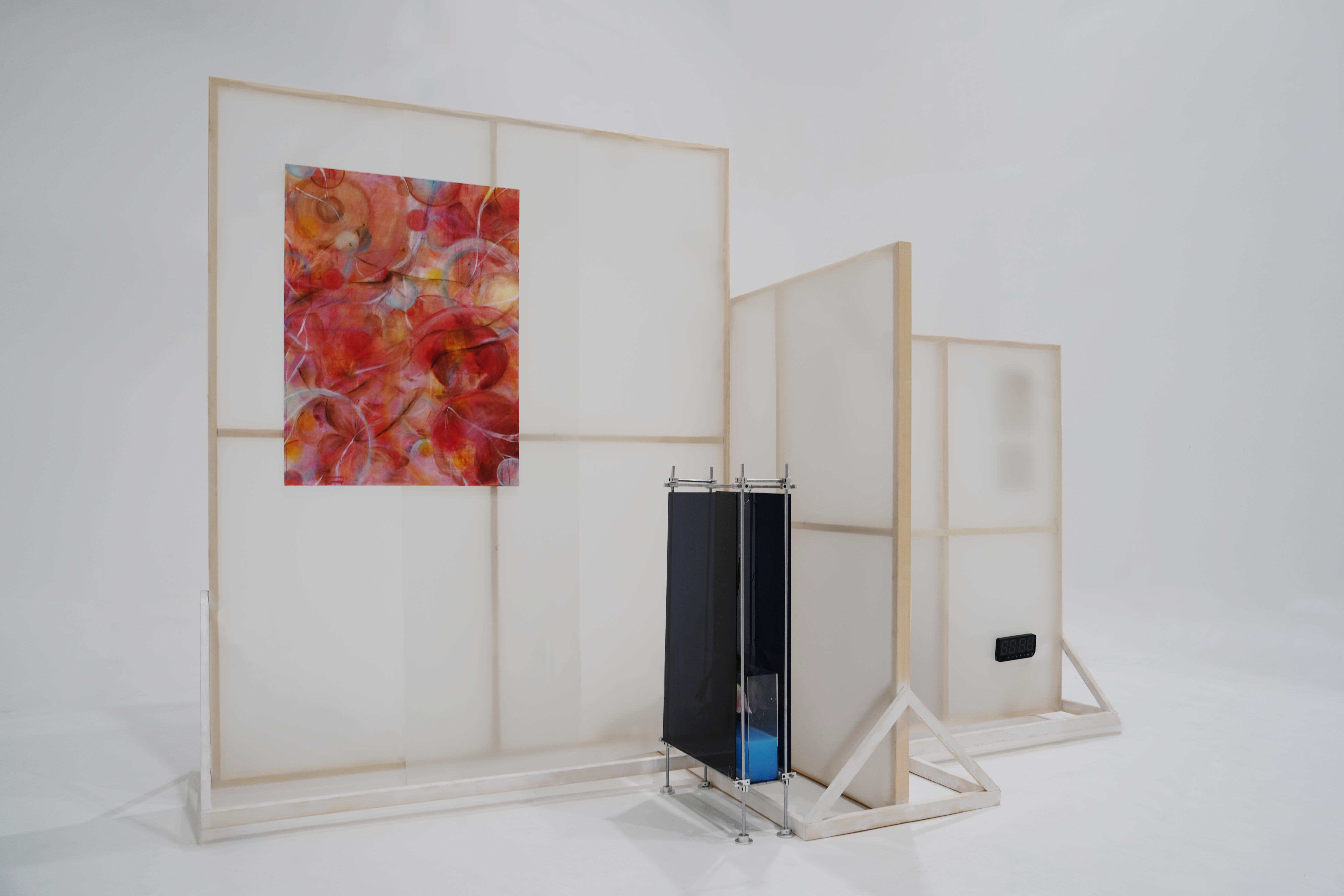
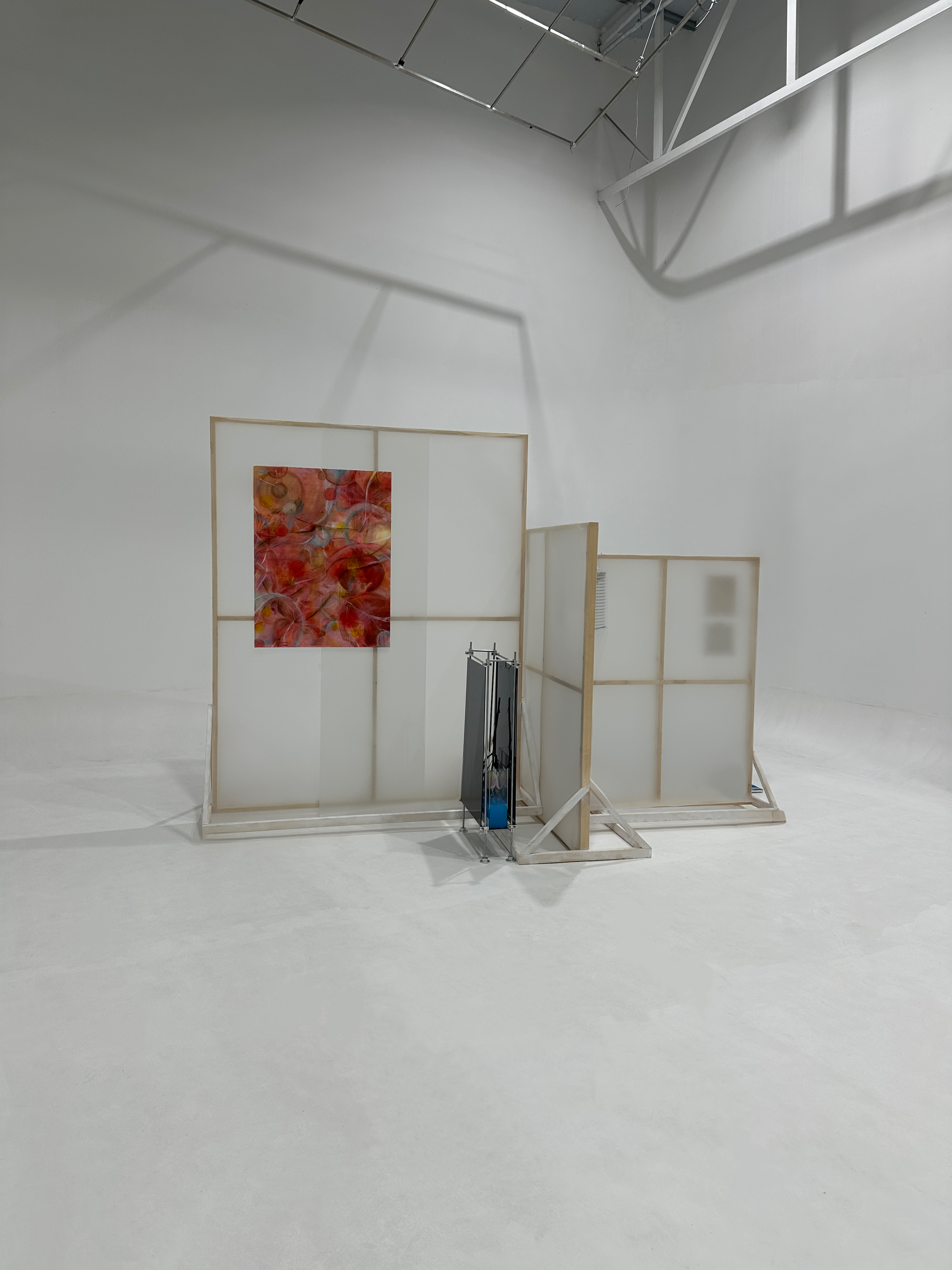
For the display, I designed the work as a maze-like space, using frames and translucent tracing paper to build up different layers. Viewers have to keep turning, passing through, and pausing within the space, as if searching memory for fragments that have already blurred. Paintings,
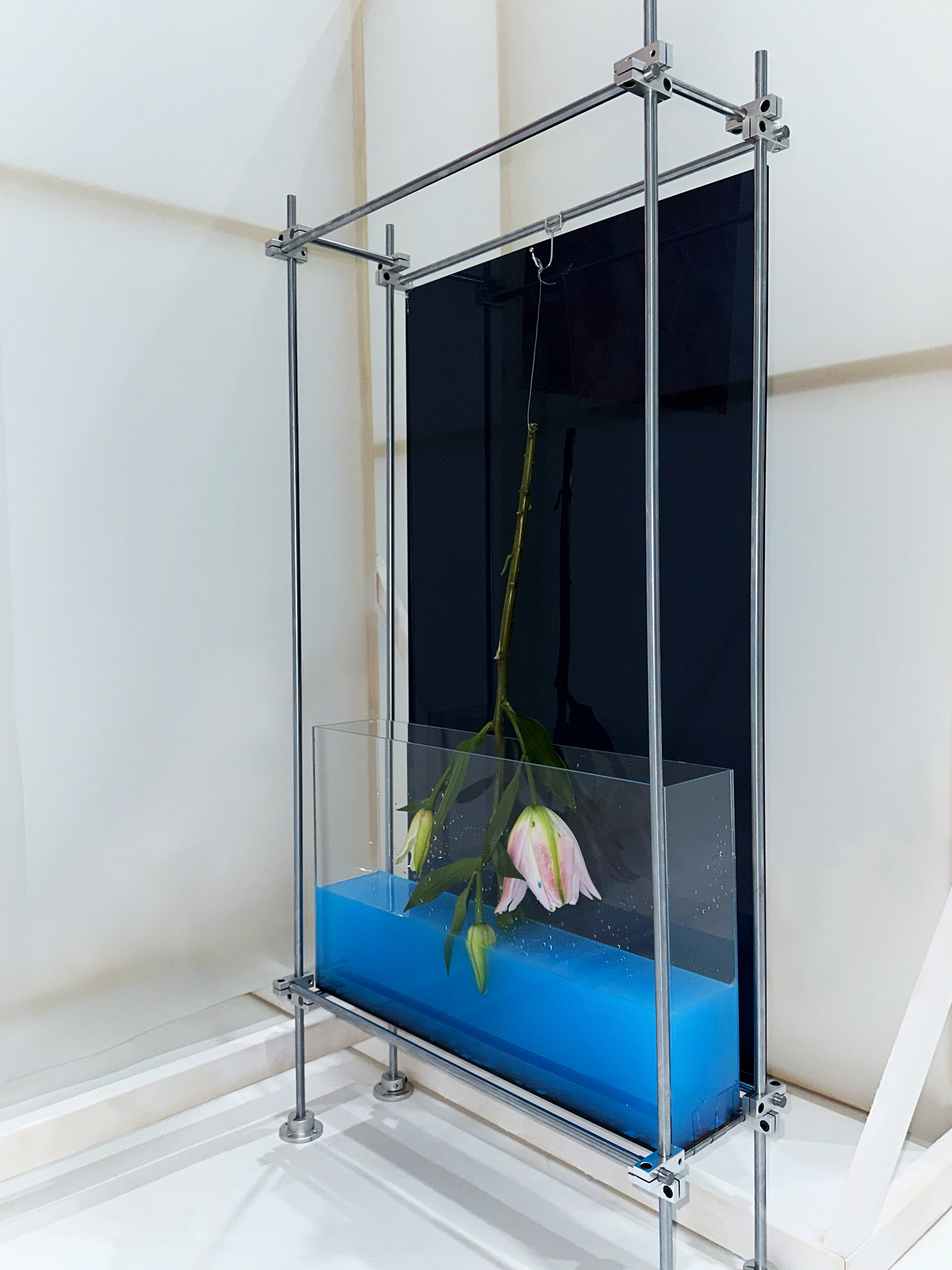
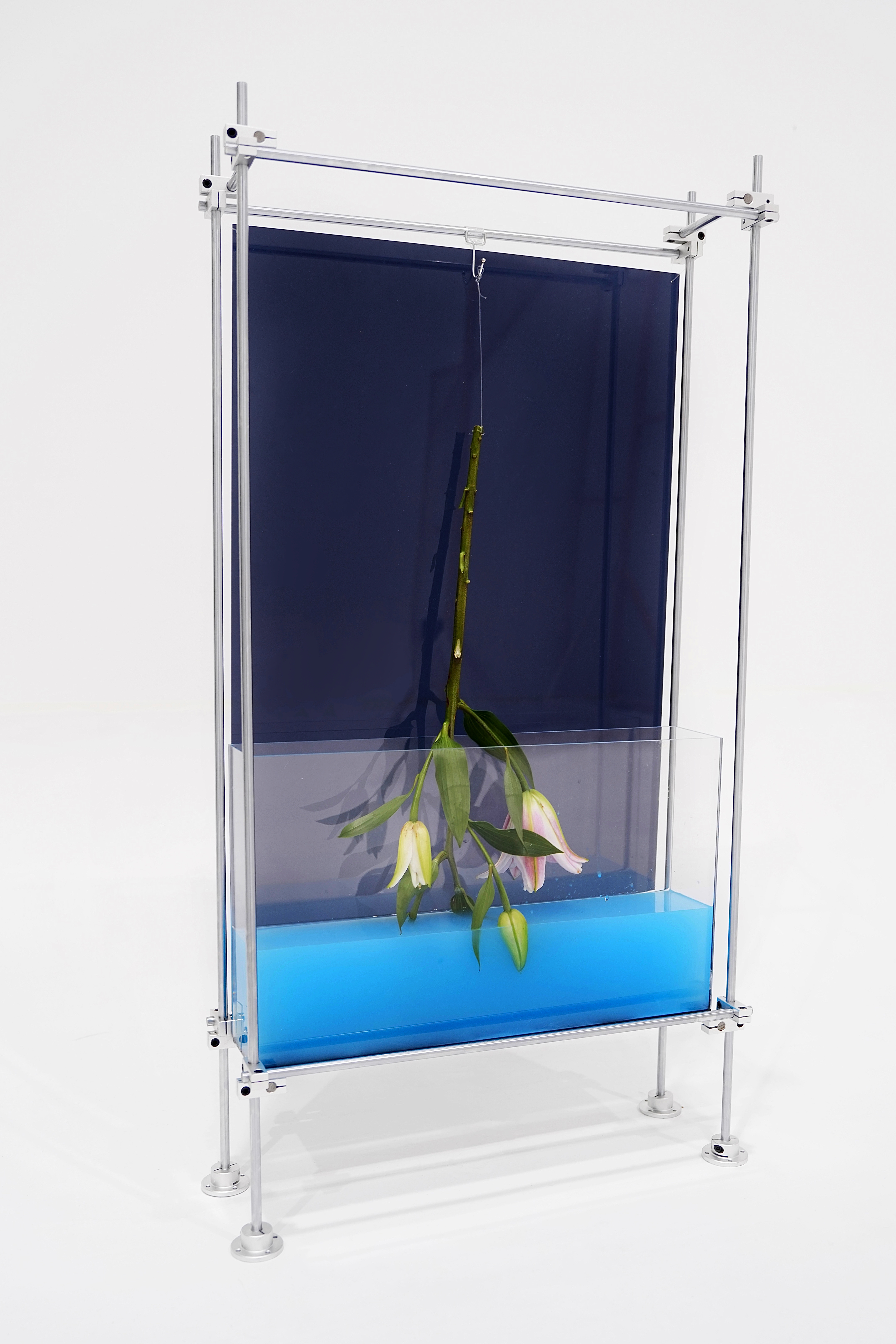
flowers submerged in liquid, old photo albums, and other works are placed at different points throughout the maze. Together, these works form a space about my mother, time, and memory.
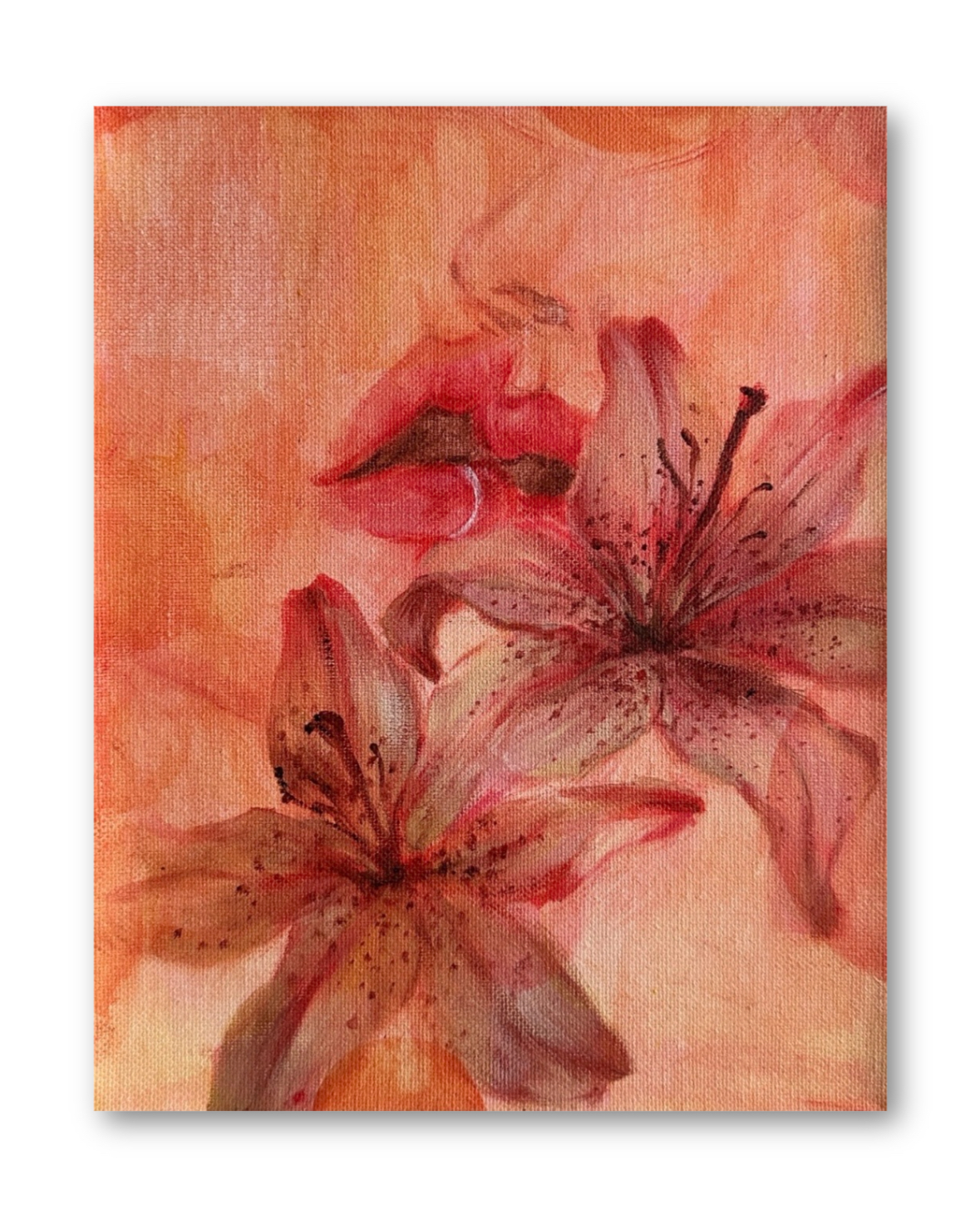
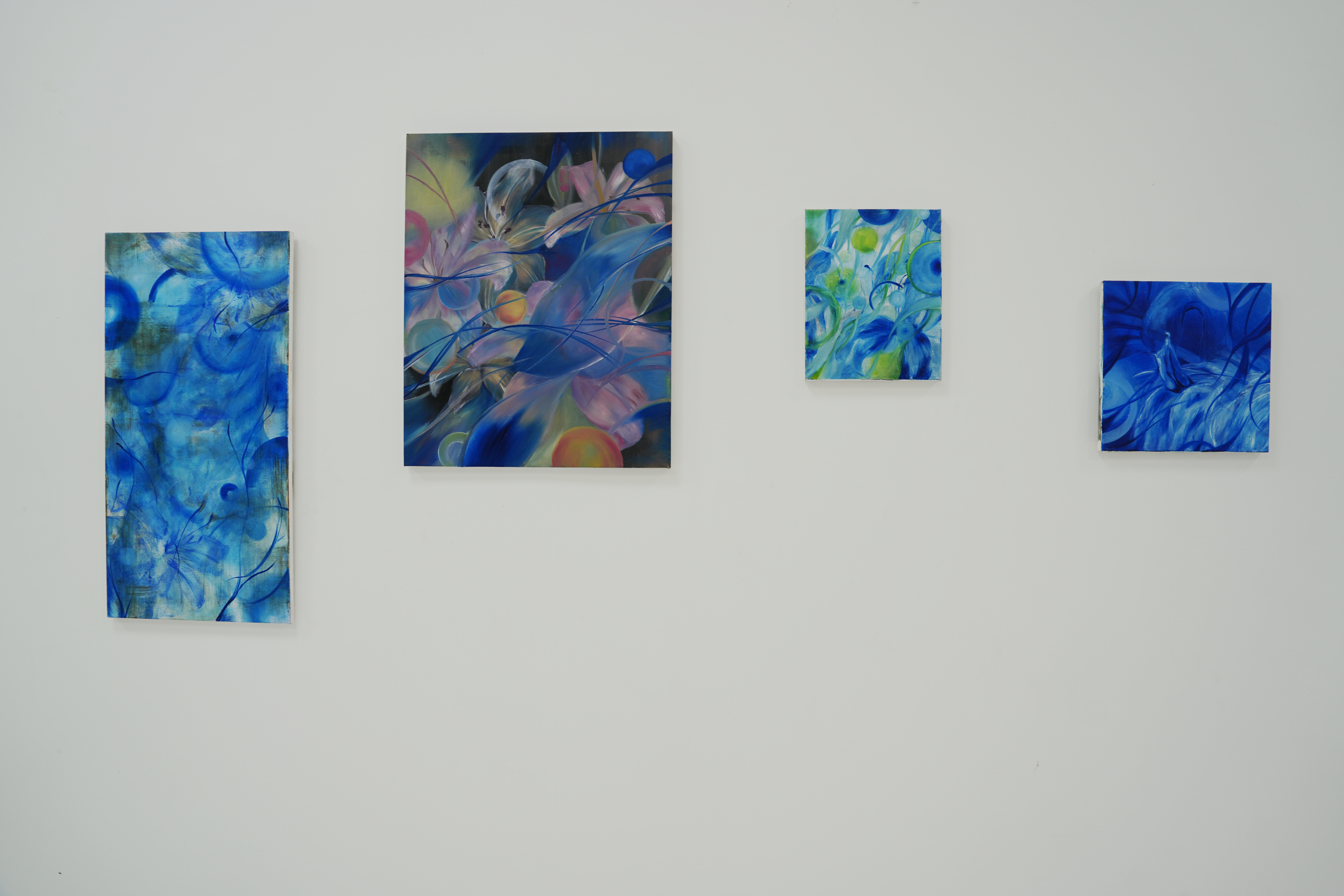
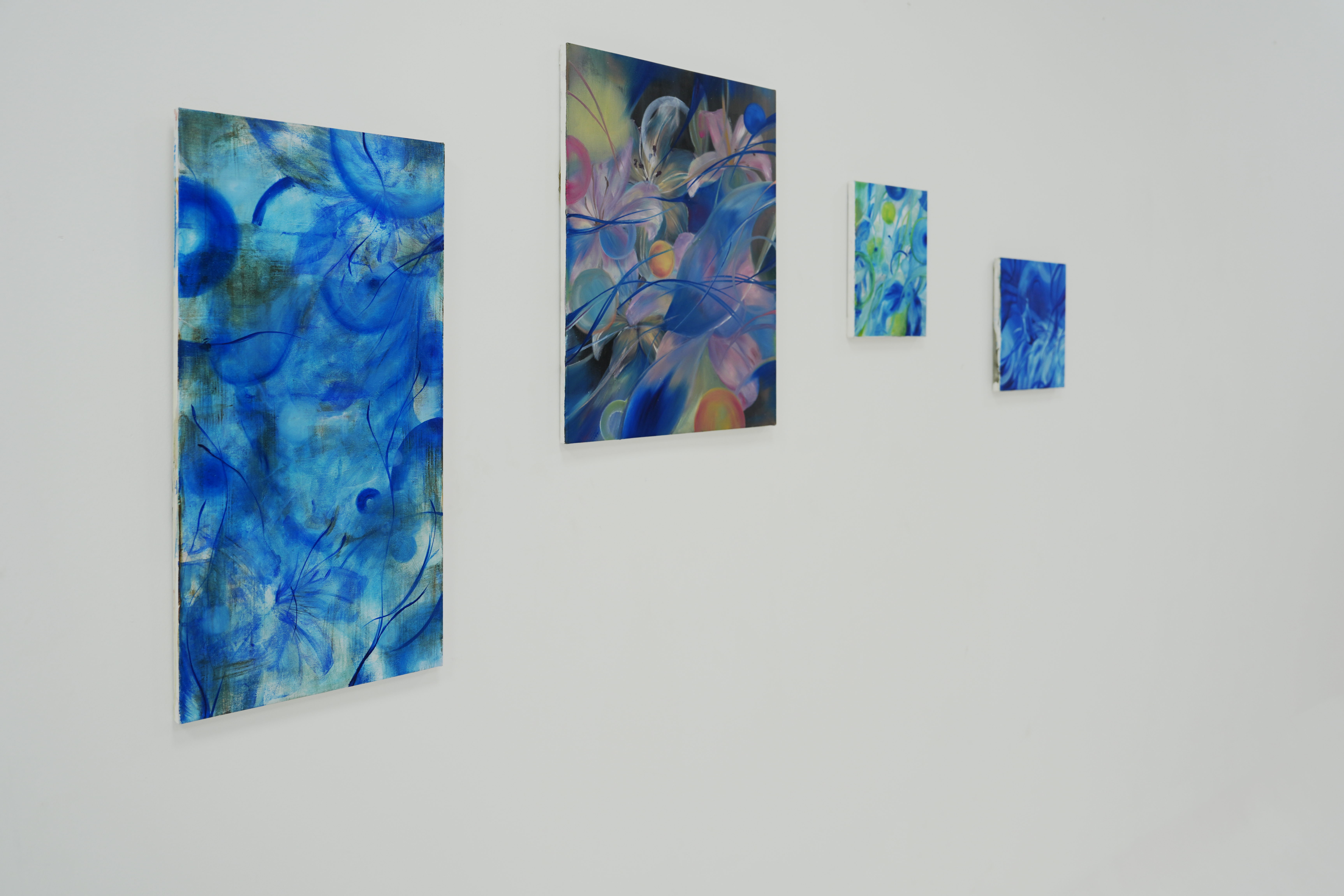
While making the work, I kept observing and drawing flowers, gradually abstracting them so that their forms blurred and overlapped. The flowers are no longer just specific plants; they became a medium that carries emotion and memory. This mirrors my memories of my mother: I know these memories are real, but as time passes, they become harder and harder to piece back together.
To me, flowers are a way of expressing memory and remembering. Like people, they grow,
bloom, wither, and can be preserved. I have loved flowers since I was a child. I would study
their forms, colours, and changes, and connect them with the body. I often find myself thinking of my mother, too, and of what she lived through as a woman. What I want to express is not only a story about my mother, but memories that can never be fully put into words. They grow, open, fade, and are also preserved. I keep observing and painting flowers, letting their forms slowly blur and overlap, just like my memories of my mother.
I don’t want this work to tell a complete story. Instead, I hope that by walking through it and looking, viewers can feel how memory blurs, overlaps, and changes. Through flowers, painting, and space, I hope to turn emotions that cannot be clearly described into an experience that can be felt.
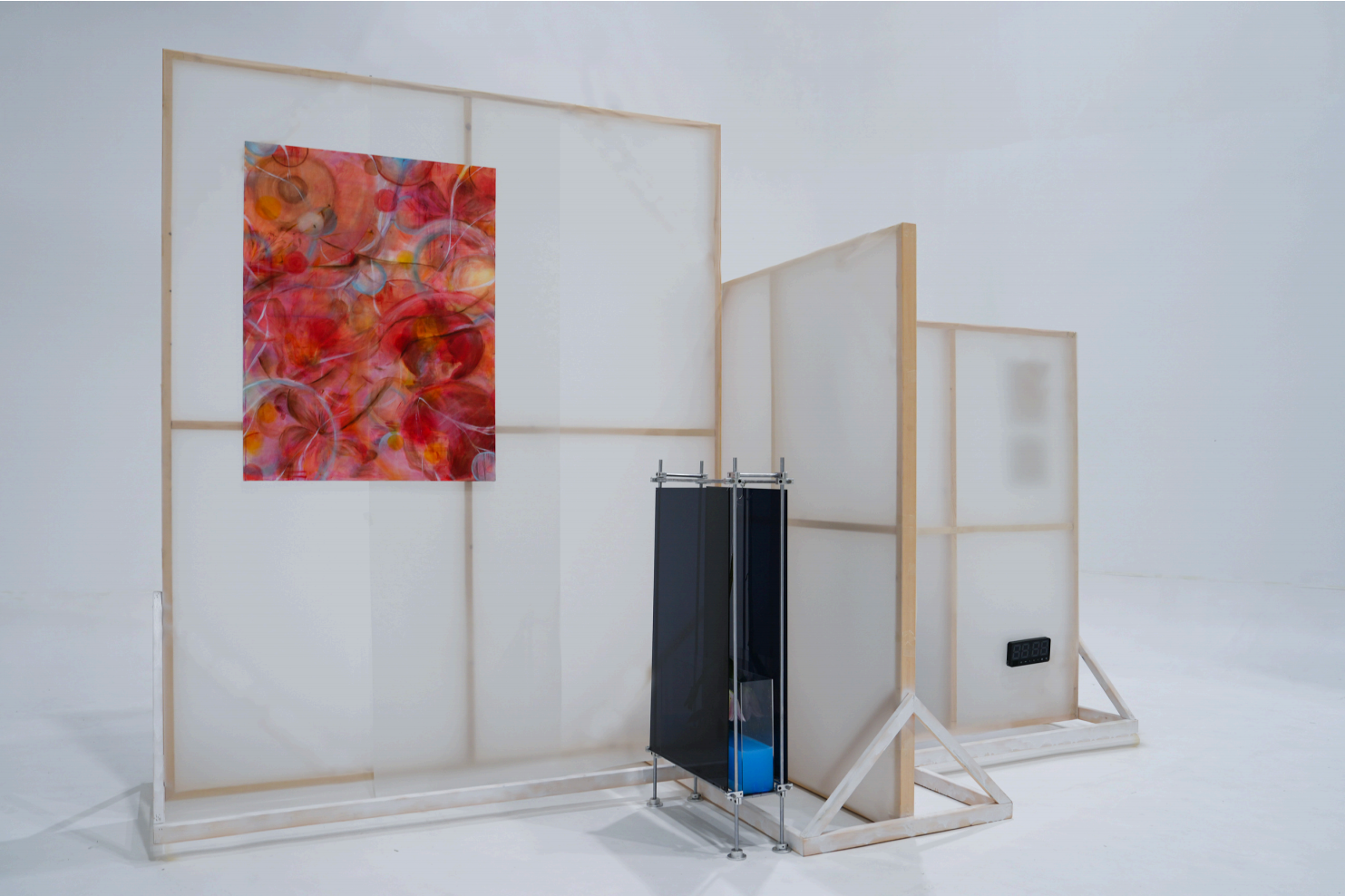
Angle One
This is where the first angle begins. It is made up of one painting and one installation piece, and it is about the small, scattered pieces of my memories. They don’t connect to each other, and they have no clear beginning or end. They just come up suddenly in a moment, then quickly fade. Here, I want viewers to first feel how broken and fragmented memory can be.
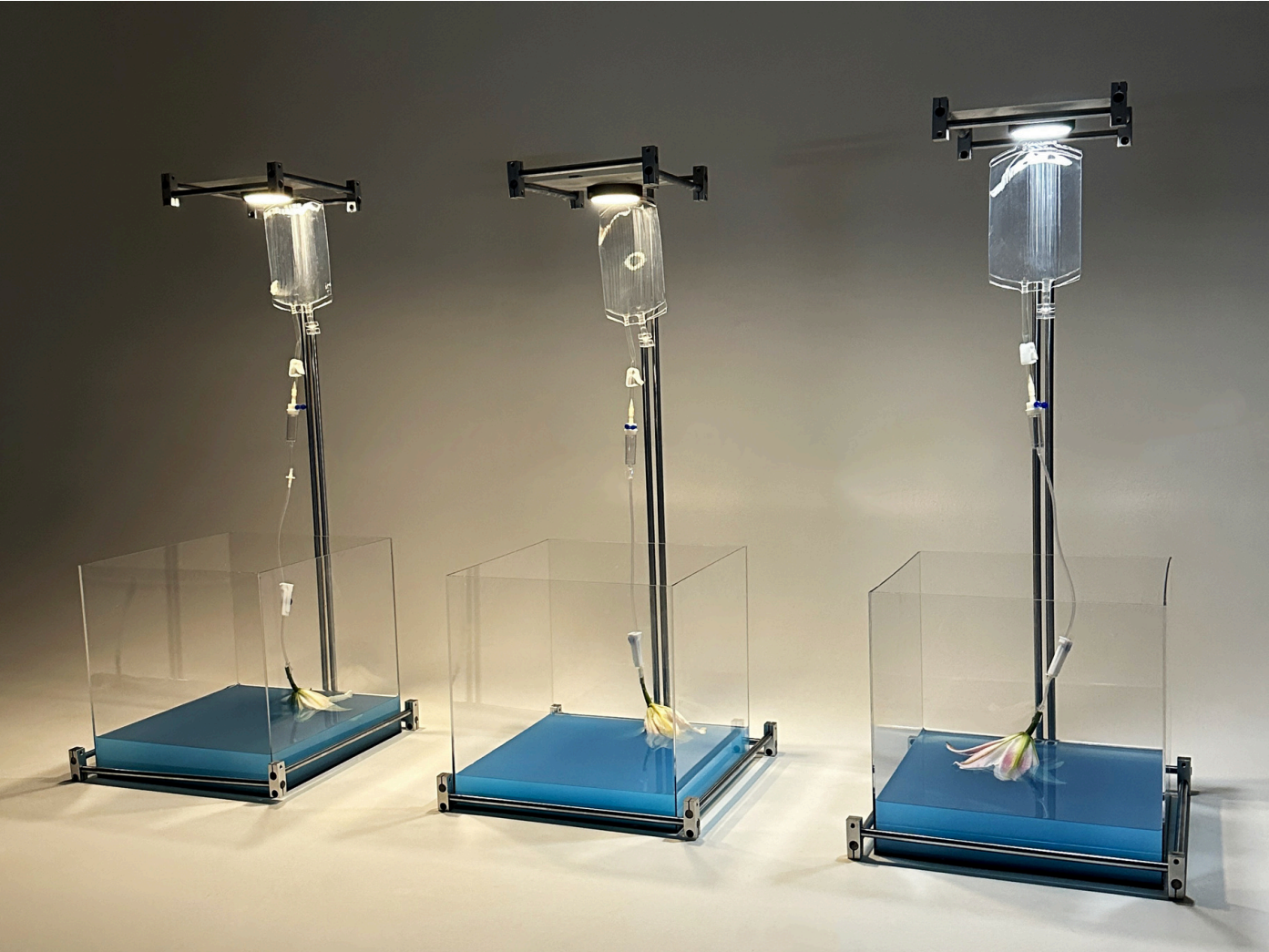
Angle Two
The second perspective consists of two installations and is about the passing of time and the memories we carefully protect. As time goes on, many memories are no longer as clear as they once were, and their details slowly fade, yet the events themselves are not forgotten. We still remember that they happened, and at certain moments they still come back to us. This perspective sets out to express that state of being blurred yet still preserved.
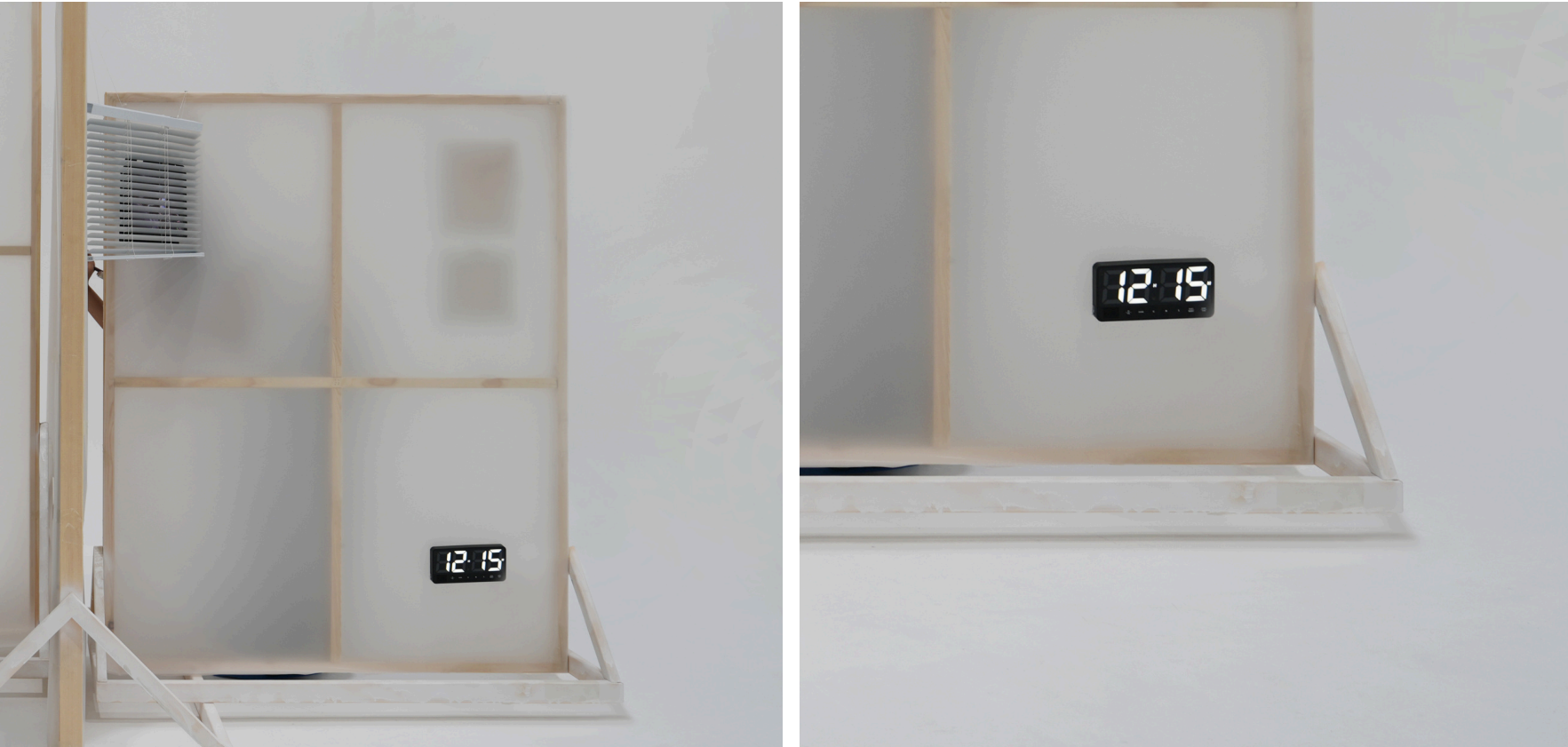
Angle Three
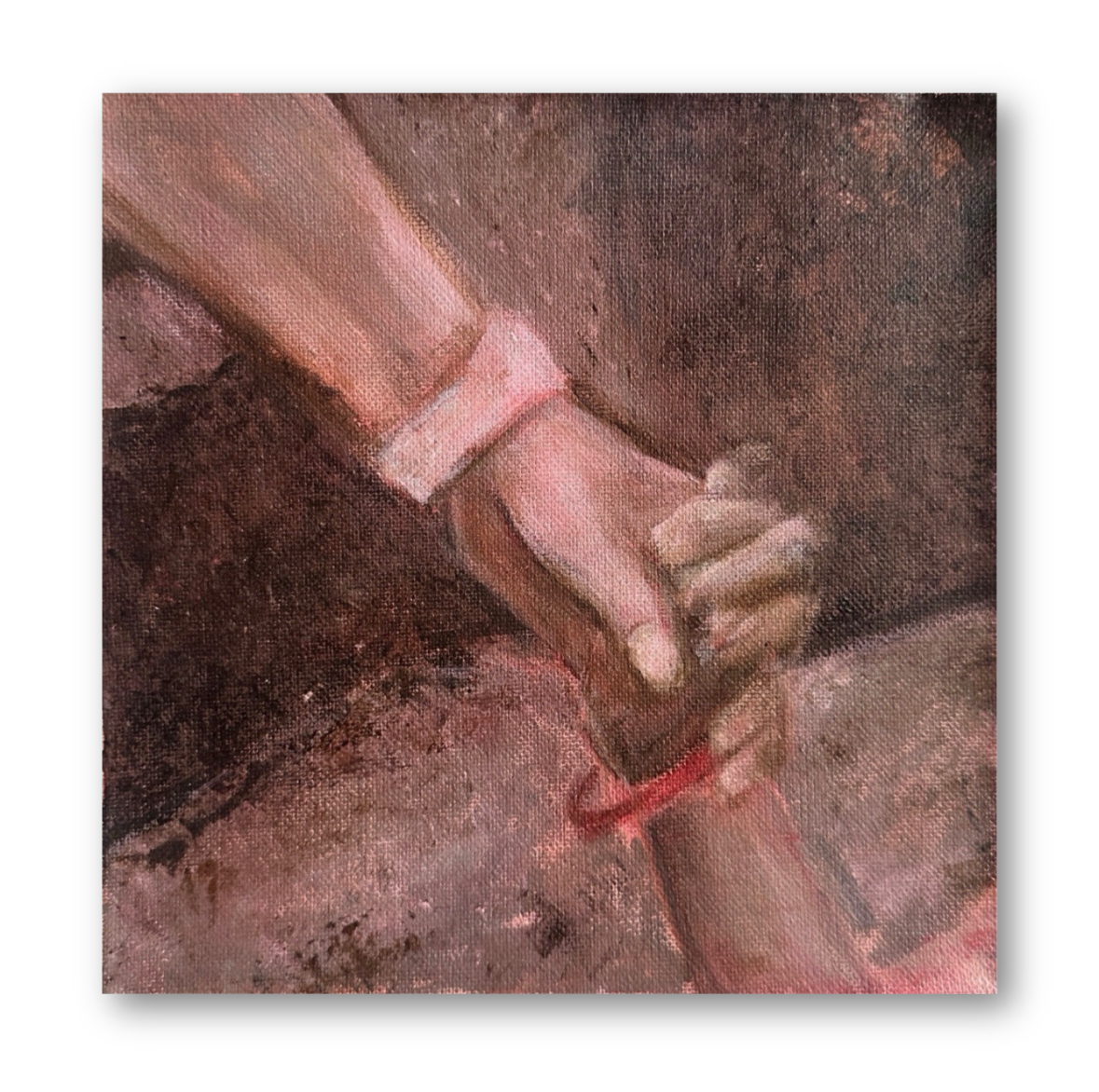
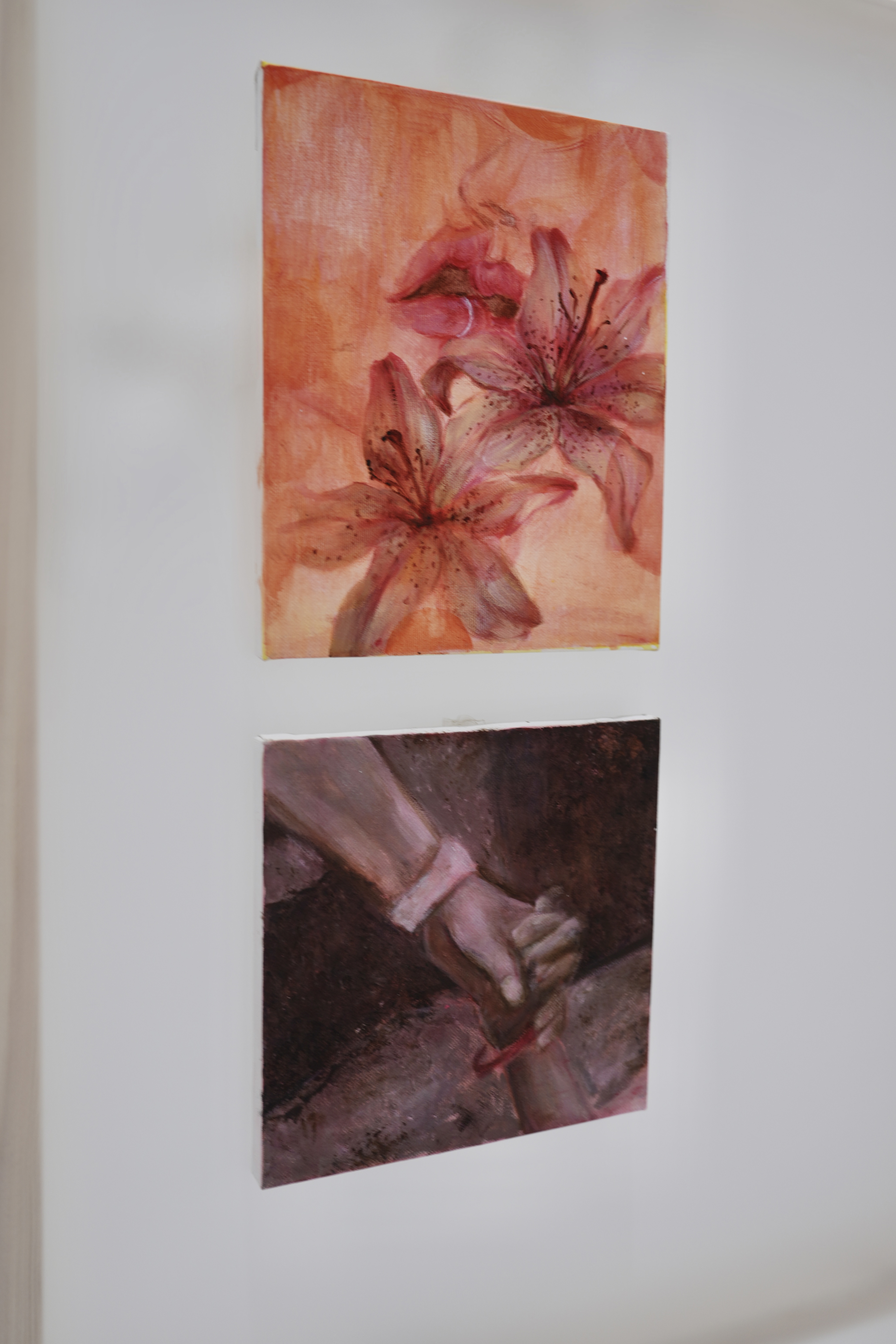
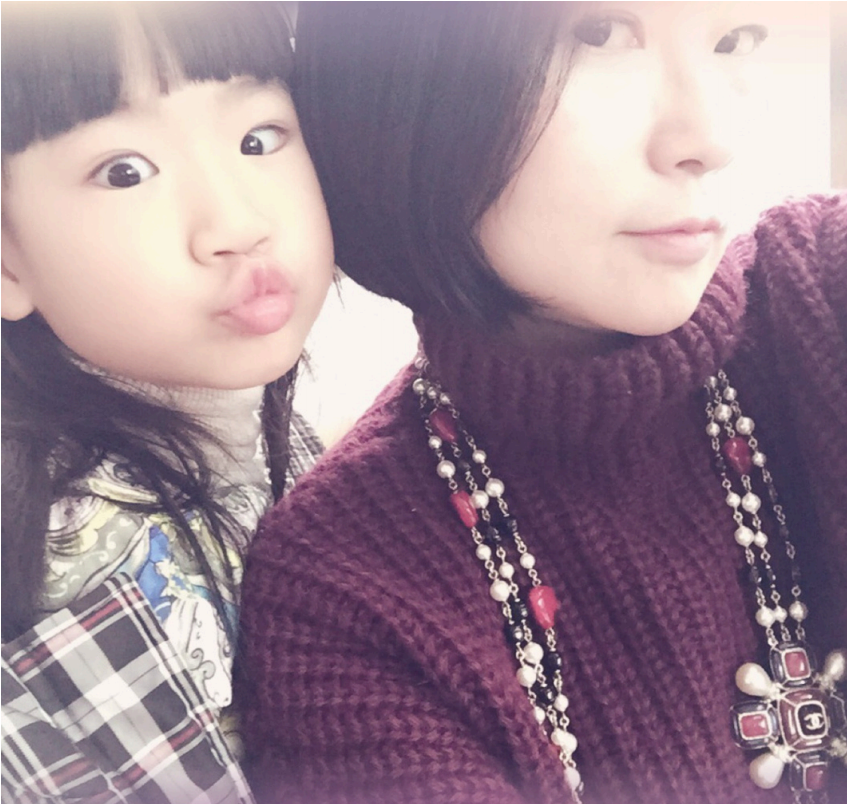
The third perspective is warmer and more personal. Here I want to express the image of my mother as I remember her, and the memories she and I share. Compared with the earlier sections on illness and time, this part is more about companionship, everyday life, and the moments that made me feel loved.
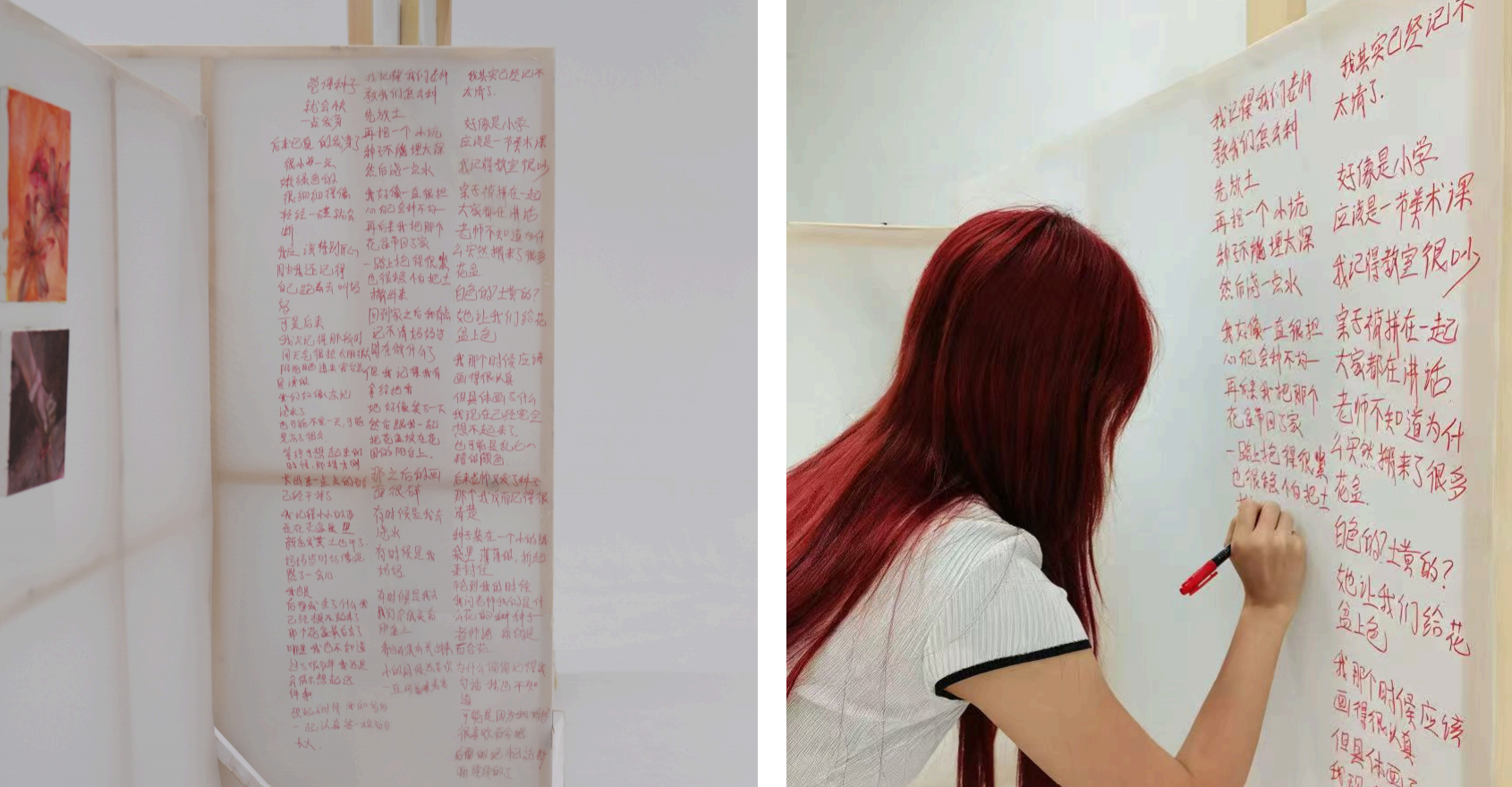
Angle Four
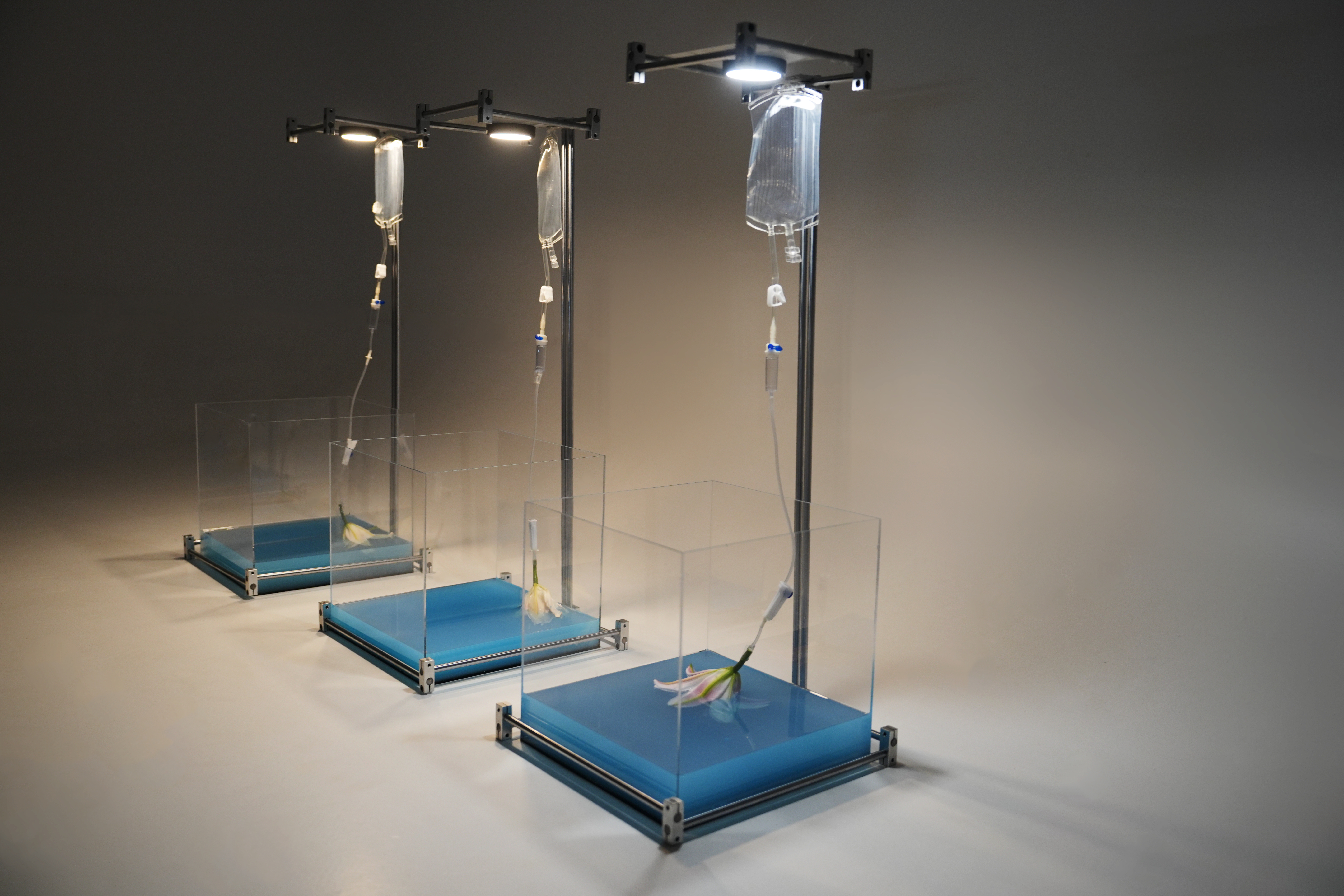
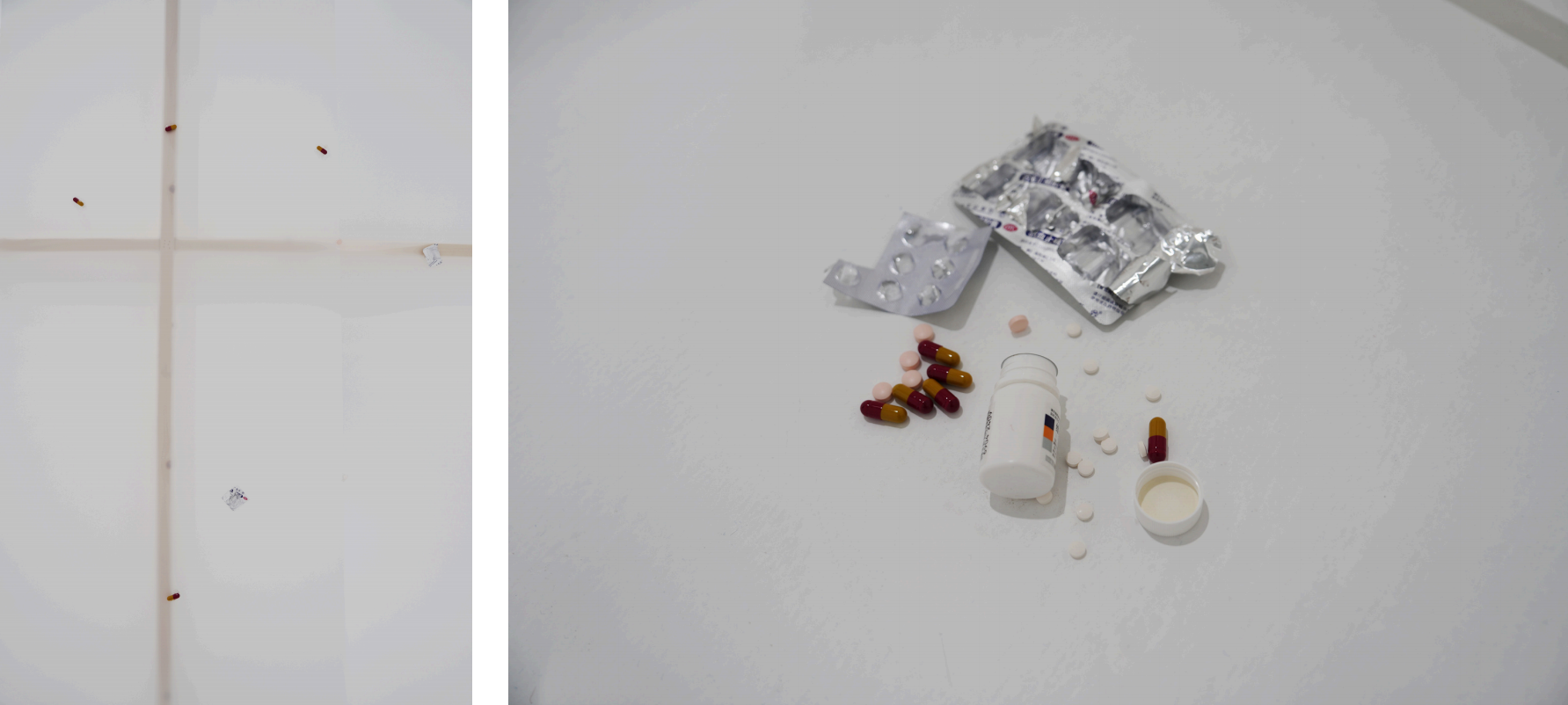
The fourth perspective is about a more painful period in my memory. Here I use medicine as a material, because medicine takes up a very large part of my memories of my mother. It stands for treatment and hope, but also for a long illness and a sense of helplessness.
Infusion Installation
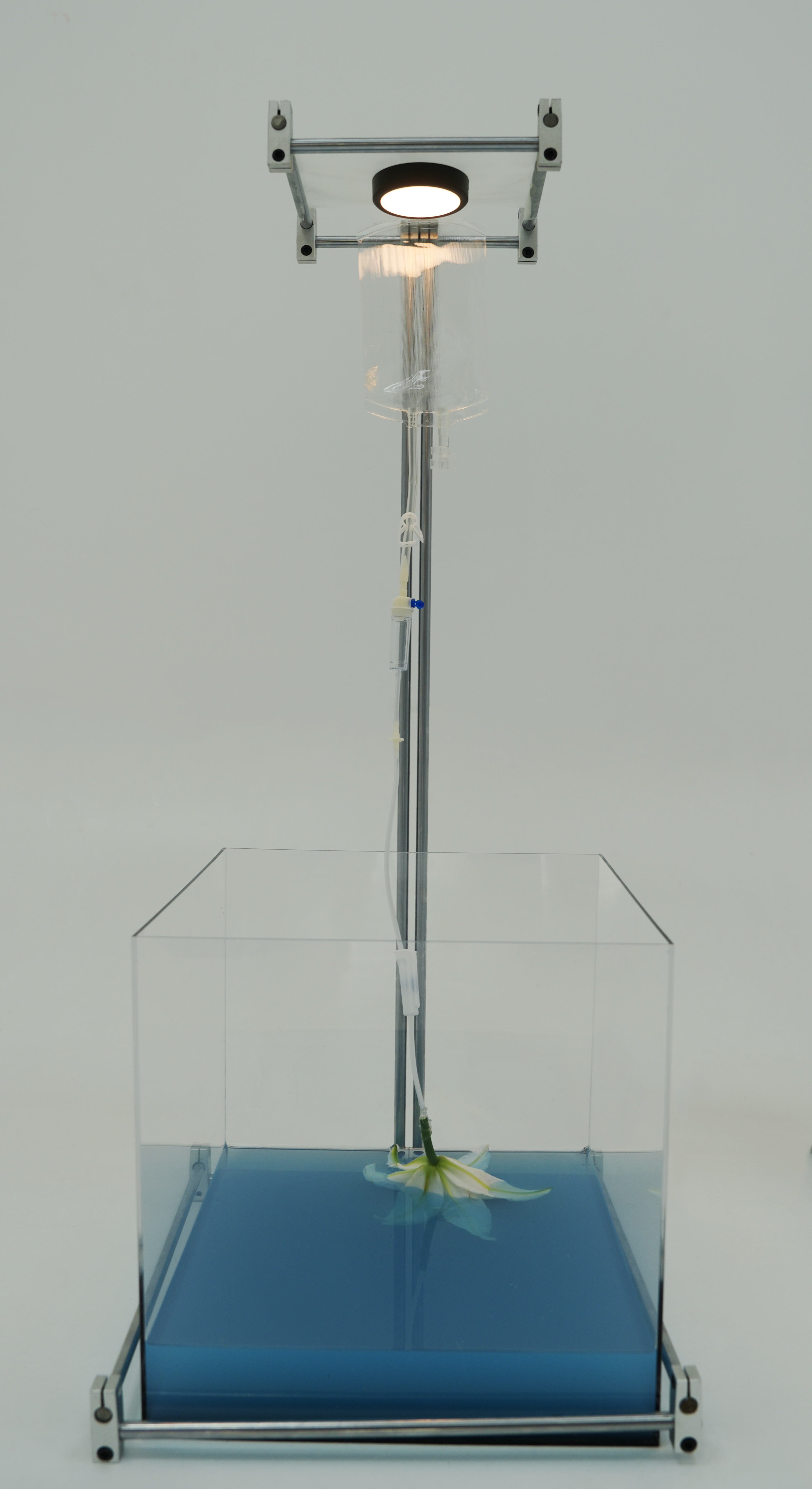
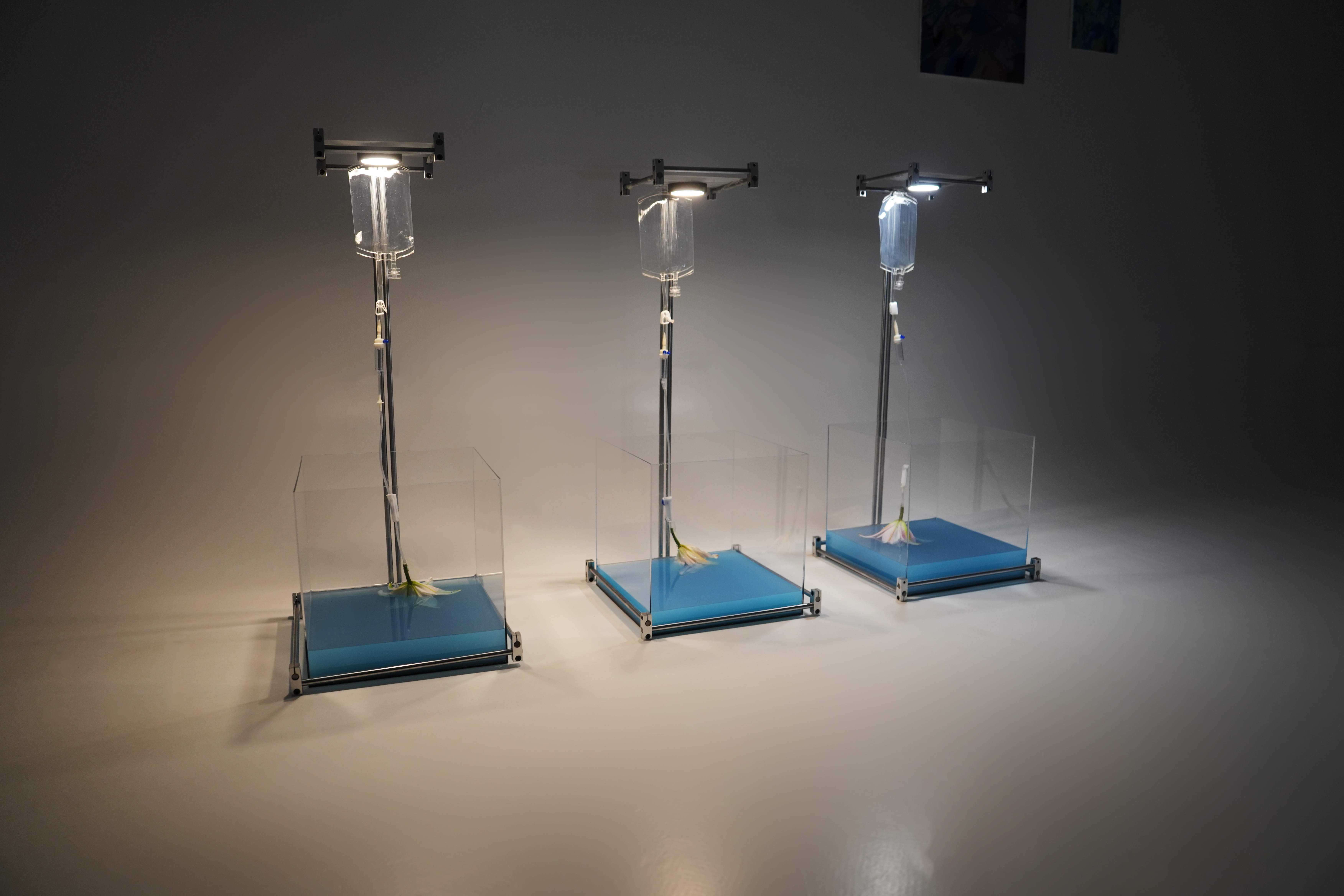
This work grew out of the previous one and brings in the element of intravenous infusion directly. When I was little, my mother needed injections, and I would help slowly pushing the medicine into her body. That gesture stays especially clear in my memory because it was so slow and so careful. In this installation, the flowers stand for the body and for life, and the water stands for the medicine and nutrients that keep life going. The liquid flows toward the flowers bit by bit, just as the medicine once entered my mother’s body bit by bit. For me, this work is both a record of that experience and a way of facing it again.
Conclusion
With this work as a whole, I am not trying to tell a clear, complete story. Instead, I want to create a sensory space of remembrance. The maze-like paths, the translucent tracing paper, the soft light, and the flowers, images, timer, and medicine placed in different corners together form a non-linear memory. As viewers walk, look, and linger, they gradually come into contact with fragments about my mother, about time, and about what is preserved and what is forgotten. Perhaps no two people see quite the same thing, just as a memory itself is never recalled in the same way twice.
Featured Works